
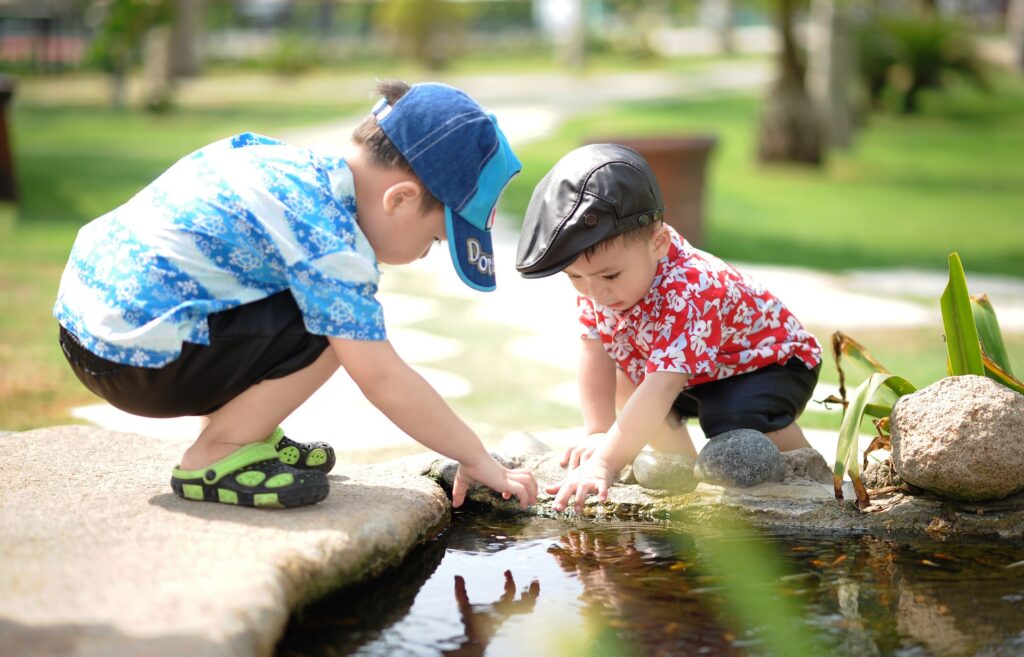
Play is an essential aspect of childhood, not just for fun, but for its crucial role in emotional and social development. At QuirkWorks 3D, we understand that play is more than just an activity; it’s a fundamental part of growing up. By offering toys that inspire creativity and imagination, we aim to foster an environment where children can thrive emotionally and socially. In this blog post, we’ll explore how play influences emotional and social development, the importance of screen-free play, and why our toys are designed to support these critical aspects of growth.
Play in emotional and social development is pivotal, particularly when it comes to emotional intelligence. Through play, children learn to recognize and manage their emotions, develop empathy, and understand the feelings of others. When children engage in imaginative play, they often mimic real-life scenarios, which allows them to practice emotional responses in a safe environment. This practice helps them to better manage their emotions in real-life situations, leading to improved emotional intelligence.
Another significant benefit of play in emotional and social development is its ability to help children manage stress and anxiety. Play provides an outlet for children to express their feelings and cope with stress in a healthy way. Whether it’s through physical play, like running and jumping, or creative play, like drawing or building, these activities can reduce stress hormones and increase feelings of happiness and relaxation.
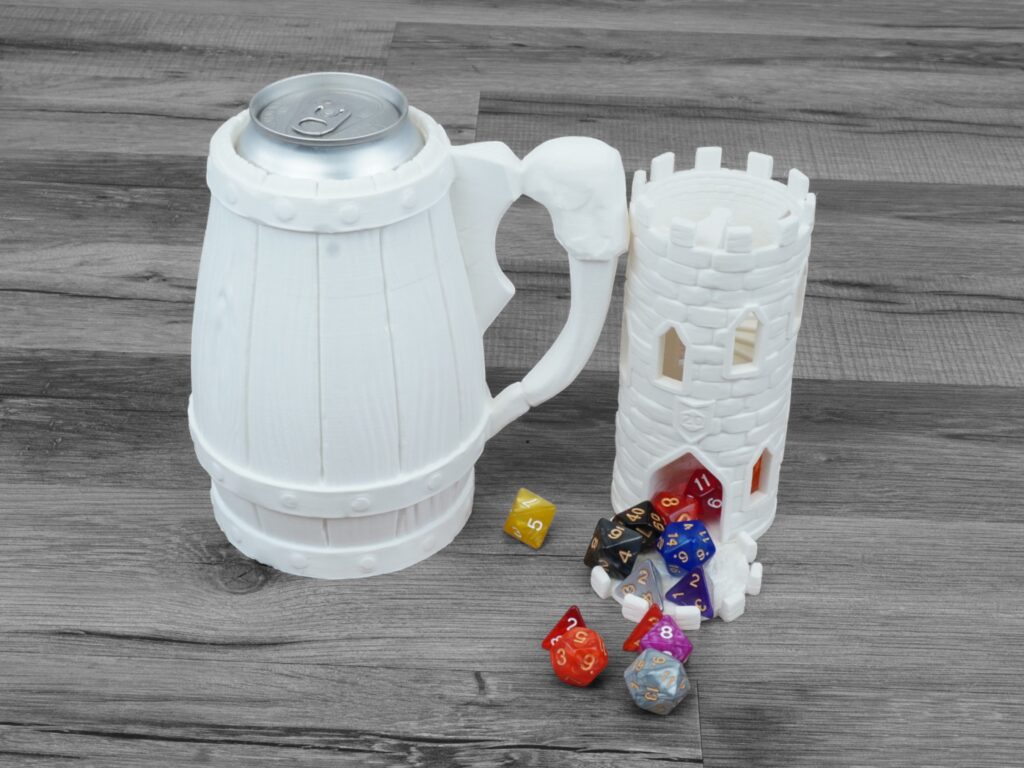
Play also plays a critical role in building self-esteem and confidence. When children succeed in their play activities, they feel a sense of accomplishment and pride. This success, whether it’s completing a challenging puzzle or building a complex structure with blocks, boosts their confidence and encourages them to take on new challenges. At QuirkWorks 3D, our toys are designed to provide these opportunities for success, helping children build their self-esteem through play.
Children often face situations where they must regulate their emotions, such as dealing with frustration when a game doesn’t go their way or navigating disagreements with friends during playtime. Through these experiences, they learn to control impulses, delay gratification, and manage their emotions constructively. This ability to regulate emotions is crucial for personal development and success in future social interactions.
Play in emotional and social development extends to learning essential social skills. Through play, children learn how to interact with others, share, take turns, and resolve conflicts. These skills are vital for forming healthy relationships and functioning effectively in social settings. Group play, in particular, encourages children to communicate, negotiate, and collaborate, all of which are critical social skills.
Play also helps children understand social norms and expectations. When children engage in role-playing activities, they often imitate the behaviors and interactions they observe in adults. This imitation helps them understand societal roles, rules, and expectations, which is crucial for their social development. By playing different roles, children learn about responsibility, empathy, and the importance of cooperation.
Communication is another critical aspect of play in emotional and social development. Through play, children learn to express themselves verbally and non-verbally. They develop their vocabulary, improve their sentence structure, and learn to use language to communicate their thoughts and feelings. This enhancement of communication skills is essential for their social interactions and academic success.
Engaging in cooperative play, where children must work together to achieve a common goal, teaches them the importance of teamwork and collaboration. These experiences are invaluable, as they show children how to cooperate, listen to others, and value different perspectives. These skills are not only crucial for social development but also for future professional environments where teamwork is often necessary.
Conflict is a natural part of play, especially in group settings. Through play, children learn to navigate disagreements, understand different viewpoints, and find mutually acceptable solutions. These conflict resolution skills are essential for maintaining healthy relationships throughout life. By learning to resolve conflicts during play, children are better equipped to handle disagreements in other areas of their lives, such as in school or later in the workplace.
At QuirkWorks 3D, we believe in the power of screen-free play in emotional and social development. Screen-free play encourages imagination and creativity, allowing children to explore their thoughts and ideas without the constraints of digital devices. Our toys are designed to inspire open-ended play, where children can use their creativity to come up with their own games and stories. This type of play is crucial for developing problem-solving skills and cognitive abilities.
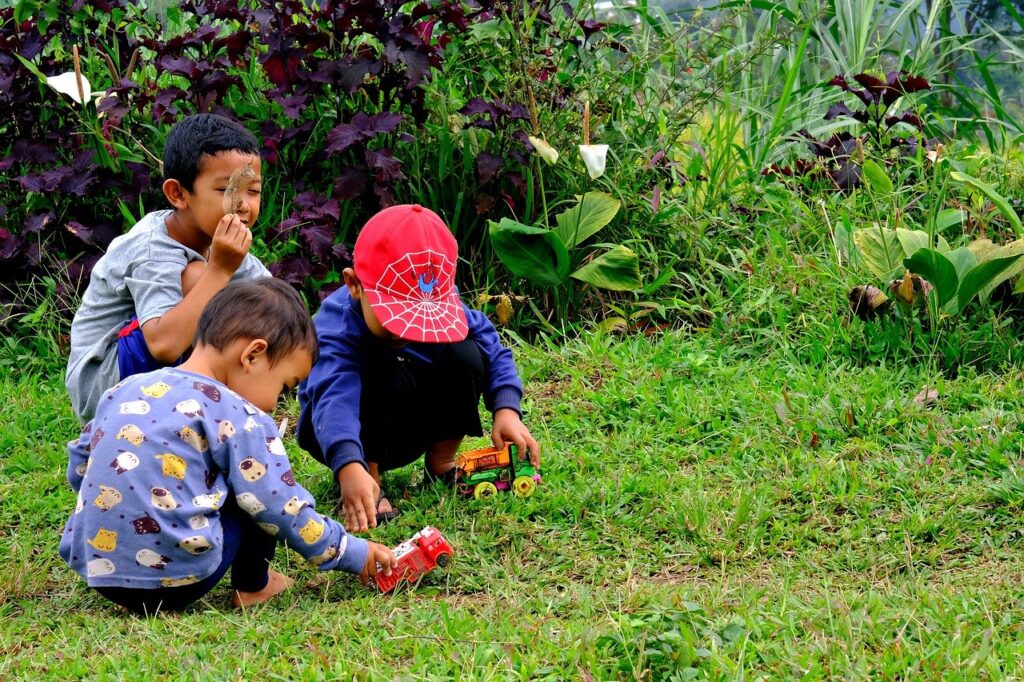
Screen-free play also promotes physical activity, which is essential for healthy development. Physical play helps children develop their motor skills, coordination, and overall physical fitness. It also provides a healthy outlet for energy, reducing the risk of childhood obesity and other health issues. By engaging in active play, children also learn the importance of staying active and healthy, setting the foundation for a lifetime of good habits.
Another significant benefit of screen-free play is that it fosters face-to-face interactions. In a world dominated by digital communication, it’s essential for children to develop the skills needed for in-person interactions. Screen-free play encourages children to interact directly with their peers, developing their social and emotional skills in the process. These interactions are critical for building strong relationships and understanding social cues.
Digital devices often provide instant gratification, which can reduce a child’s ability to focus and sustain attention on a single task. Screen-free play, on the other hand, encourages children to engage deeply with their activities, enhancing their attention span and focus. This ability to concentrate on a task for extended periods is crucial for academic success and overall cognitive development.
Screen-free play often encourages children to go outside and explore their environment. Outdoor play is vital for physical health, as it promotes exercise and exposure to fresh air and sunlight. It also provides opportunities for children to interact with nature, which can enhance their sense of wonder and curiosity. Activities such as playing in a park, exploring a garden, or building sandcastles on a beach can provide rich sensory experiences that are beneficial for emotional and social development.
Our toys at QuirkWorks 3D are specifically designed to support play in emotional and social development. By focusing on open-ended play, our toys encourage children to use their imagination and creativity. This type of play allows children to create their own experiences and outcomes, fostering a sense of independence and confidence.
We are also committed to environmental responsibility. Our toys are made from PLA plastic, a biodegradable material sourced from renewable resources. By choosing sustainable toys, we are not only protecting the planet but also teaching children the importance of environmental stewardship. This commitment to sustainability also ensures that our toys are safe and healthy for children to play with.
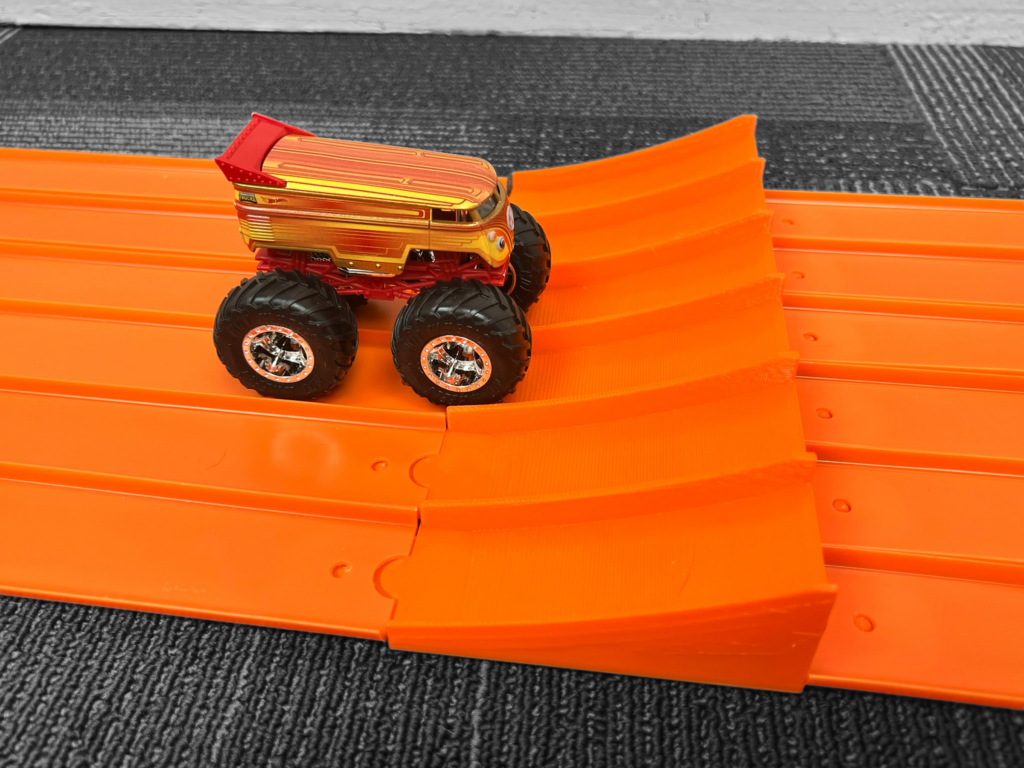
Our dedication to quality is evident in every toy we create. By manufacturing our toys locally, we ensure that each product meets our high standards for durability and safety. This focus on quality means that our toys are built to last, providing children with reliable tools for play in emotional and social development.
At QuirkWorks 3D, we believe in the value of screen-free, brain-stimulating play. Our toys are designed to engage multiple senses, providing a rich and immersive play experience. By encouraging children to play without screens, we help them develop their creativity, problem-solving skills, and social interactions. This approach to play is crucial for their emotional and social development.
Our toys also promote parental involvement in play. Parents can engage with their children using our toys, creating opportunities for bonding and shared experiences. This involvement is vital for reinforcing the emotional and social benefits of play. Parents can model positive behaviors, guide interactions, and support their children’s development through active participation in play activities.
Using 3D printing technology, QuirkWorks 3D can quickly adapt to customer feedback and evolving trends in play. This flexibility allows us to continuously improve our toys, ensuring they meet the changing needs of children. By responding to feedback, we can create toys that are not only fun but also support the latest findings in child development research.
Many of our toys are designed with educational value in mind. They encourage learning through play, helping children develop cognitive skills such as problem-solving, spatial awareness, and logical thinking. By integrating educational elements into our toys, we ensure that children gain valuable knowledge and skills while having fun.
Numerous studies highlight the importance of play in emotional and social development. Research shows that play helps children process their emotions, develop resilience, and build healthy relationships. It also provides a context for children to practice empathy and understanding, essential components of emotional intelligence.
Social learning theory suggests that children learn behaviors and social norms through observation and imitation. Play provides a platform for this learning, allowing children to observe their peers and practice social behaviors in a low-stress environment. By engaging in play, children learn how to interact appropriately with others and develop social skills that are crucial for their overall development.
Neuroscientific research indicates that play positively affects brain development. Play stimulates neural connections, particularly in areas associated with creativity, problem-solving, and emotional regulation. These neural pathways are essential for cognitive development and emotional well-being. By providing opportunities for play, we support the healthy development of children’s brains.
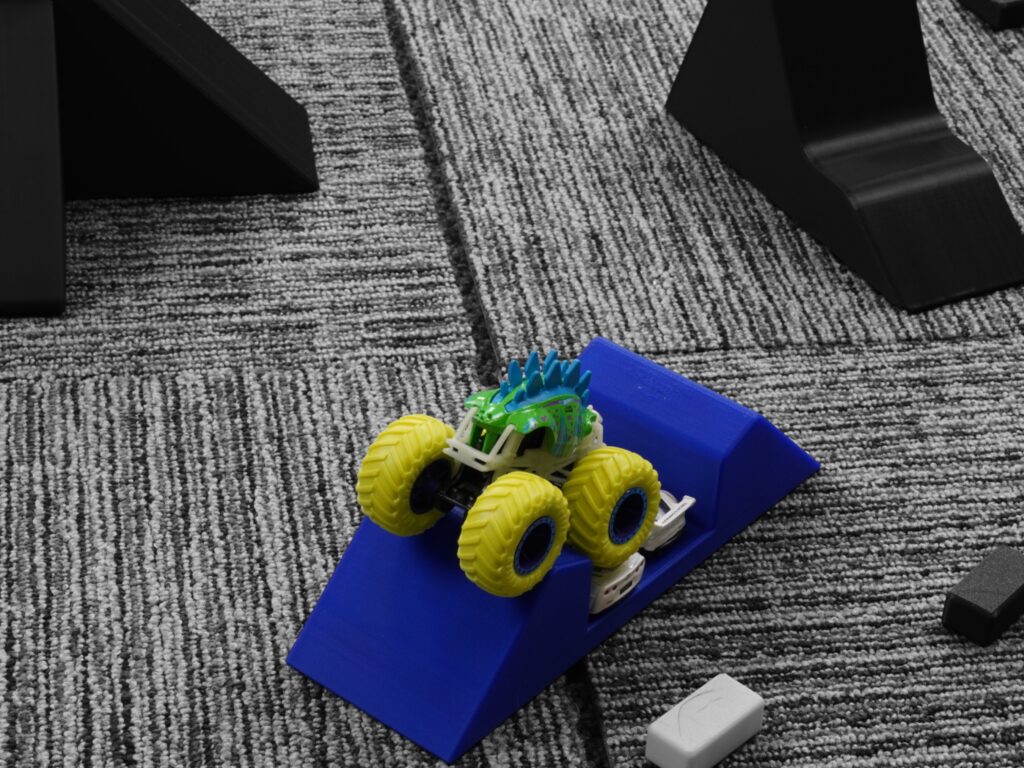
Play is an integral part of childhood, essential for emotional and social development. At QuirkWorks 3D, we are committed to providing toys that support this critical aspect of growth. Through open-ended, screen-free play, our toys help children develop the emotional intelligence, social skills, and confidence they need to thrive. By choosing QuirkWorks 3D toys, parents can be confident that they are providing their children with the tools they need for a lifetime of imaginative and enriching play.
If you’re interested in learning more about how our toys can support your child’s emotional and social development, visit our website and explore our range of sustainable, high-quality toys. With QuirkWorks 3D, you can be confident that you’re providing your child with the best tools for a bright and imaginative future.
The role of play in emotional and social development cannot be overstated. By embracing the principles of screen-free, open-ended play, QuirkWorks 3D aims to create toys that are not only fun but also deeply beneficial for children’s growth. As we continue to innovate and respond to the needs of parents and children alike, we remain committed to fostering a world where play enriches lives, nurtures development, and sparks lifelong imagination.
Thank you for taking the time to read about the importance of play in emotional and social development. We hope this post has inspired you to incorporate more meaningful play into your child’s life with QuirkWorks 3D toys.