
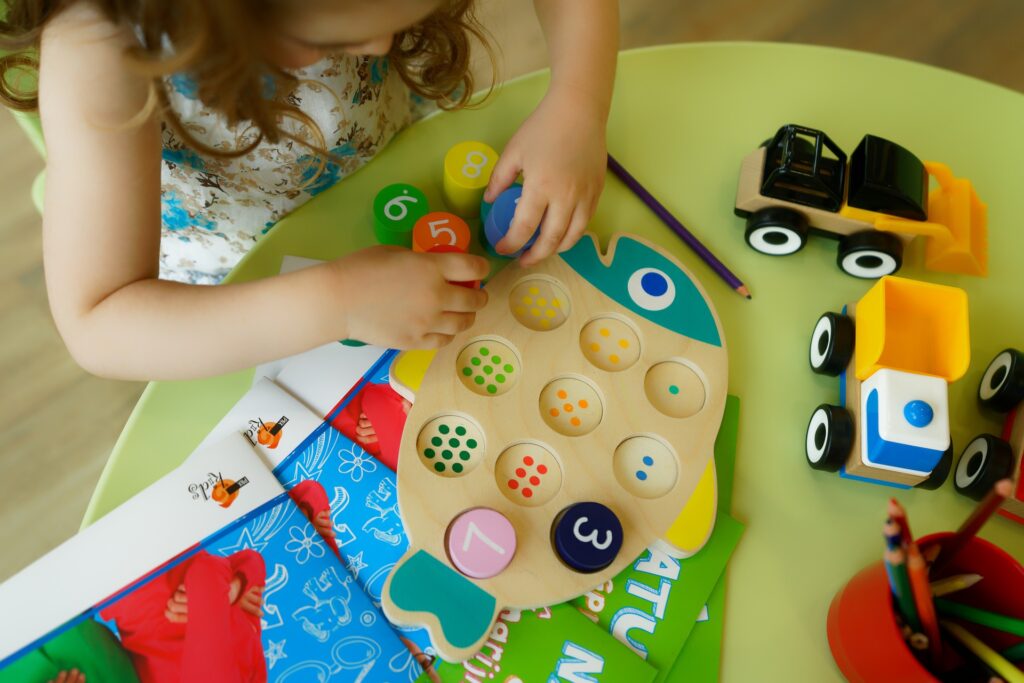
In today’s fast-paced, technology-driven world, finding ways to nurture a child’s development through play has become more crucial than ever. At QuirkWorks 3D, we believe in the profound impact of open-ended play on child development. This type of play, which is free from predefined outcomes and instructions, fosters creativity, problem-solving, and cognitive skills in children. In this blog post, we’ll delve into the importance of open-ended play, its benefits, and how our sustainable, locally-made toys contribute to a child’s growth and imagination.
Open-ended play refers to activities that do not have a fixed outcome or a set of rules. It allows children to explore and use their creativity to come up with different ways to play. Unlike structured play, where there are specific instructions and goals, open-ended play is all about freedom and flexibility. Open-ended play for child development allows children to decide how they want to engage with the toys and materials, encouraging them to think independently and creatively.
Open-ended play provides a blank canvas for children to project their imaginations. Without specific instructions or goals, children are free to create their own narratives and scenarios. This type of play encourages them to think outside the box and come up with unique solutions and ideas.
For example, a set of blocks can become a castle, a spaceship, or even a bustling city. The possibilities are endless, and each play session can be a new adventure. This freedom to imagine and create helps children develop their creativity and enhances their ability to think abstractly.
Furthermore, the absence of rigid instructions allows children to reinvent the toys they play with, turning everyday objects into something extraordinary. A simple stick can become a magic wand, a pirate’s sword, or a conductor’s baton. This imaginative play nurtures a child’s ability to see the world in diverse and innovative ways, laying the foundation for creative problem-solving in the future.
When children engage in open-ended play, they often encounter challenges that require them to think critically and solve problems. For instance, if they are building a tower and it keeps collapsing, they need to figure out how to make it more stable. This process of trial and error helps them develop important problem-solving skills.
Open-ended play also teaches children perseverance and resilience. They learn that it’s okay to fail and that success often comes through experimentation and persistence. These skills are invaluable as they grow and face more complex challenges in life.
Problem-solving during play can also extend to social situations. When playing with others, children must negotiate roles, share resources, and resolve conflicts. These interactions require them to use critical thinking and communication skills to find mutually agreeable solutions, fostering both cognitive and social-emotional growth.
Open-ended play for child development often involves interaction with others, whether it’s siblings, friends, or parents. Through these interactions, children learn important social skills such as communication, cooperation, and negotiation. They learn to share, take turns, and work together to achieve a common goal.
Additionally, open-ended play can be a great way for children to express their emotions and work through their feelings. For example, role-playing scenarios can help them understand different perspectives and develop empathy. This emotional intelligence is crucial for their overall development and well-being.
Role-playing also allows children to experiment with different social roles and scenarios, which can enhance their understanding of social norms and expectations. By pretending to be a teacher, a doctor, or a superhero, children explore various aspects of the human experience, building empathy and understanding for others.
Open-ended play stimulates cognitive development by encouraging children to think, reason, and make decisions. As they explore different ways to use the toys and materials, they develop their cognitive abilities and enhance their understanding of the world around them.
For instance, playing with blocks can help children understand concepts such as balance, symmetry, and spatial relationships. These foundational skills are important for their future learning in subjects such as math and science.
Moreover, open-ended play for child development play encourages children to make connections between different pieces of information, enhancing their ability to think logically and critically. This type of play often involves sorting, classifying, and sequencing, which are essential cognitive skills that support academic learning.
When children engage in open-ended play, they are in control of their own play experiences. This sense of autonomy helps them develop independence and confidence in their abilities. They learn to trust their instincts and make decisions on their own, which is an important aspect of their personal growth.
By giving children the freedom to explore and create, we are empowering them to take charge of their own learning and development. This confidence and independence will serve them well as they navigate through life.
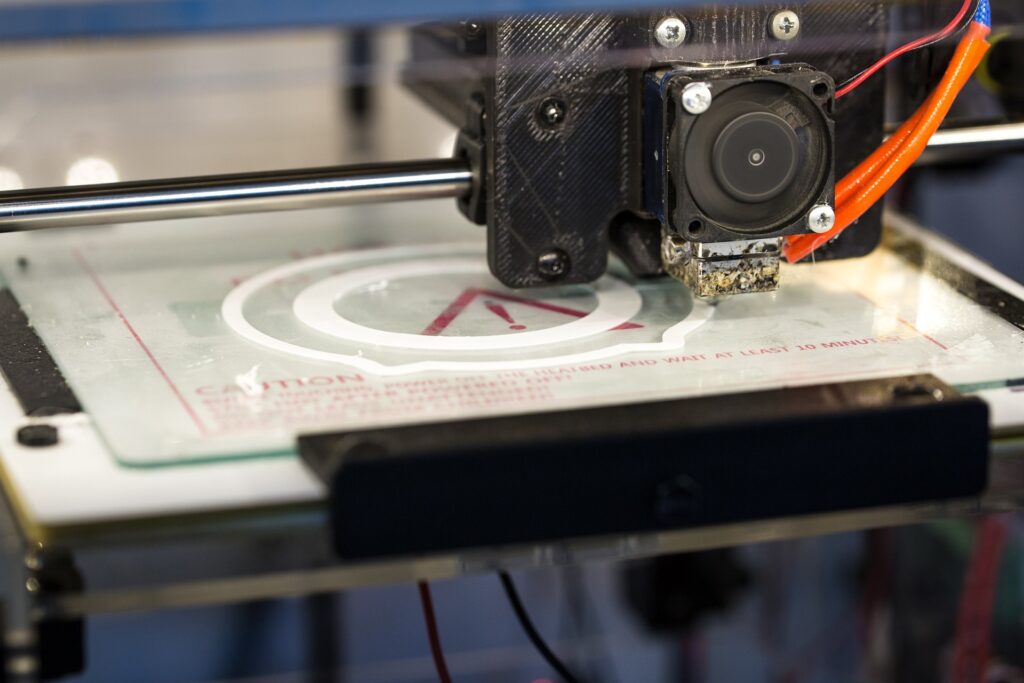
Independence gained through open-ended play also translates into self-regulation and executive function skills. Children learn to set their own goals, plan their actions, and adjust their strategies as needed, all of which are critical skills for success in school and beyond.
At QuirkWorks 3D, we are passionate about creating toys that promote open-ended play for child development. Our toys are designed to be versatile, allowing children to use them in different ways and create their own unique play experiences.
One of our core values is environmental responsibility. Our toys are made from PLA plastic, a biodegradable material derived from renewable resources such as corn starch and sugarcane. This not only makes our toys safe for children but also environmentally friendly. By choosing sustainable toys, we are helping to protect our planet and ensure a better future for our children.
Our commitment to sustainability extends beyond the materials we use. Our manufacturing processes are designed to minimize waste and reduce our carbon footprint. By producing our toys locally, we support local economies and reduce the environmental impact associated with long-distance shipping.

We take pride in our commitment to ethical practices and supporting local artisans. Our toys are made locally, ensuring that each piece is crafted with care and attention to detail. This not only helps to keep traditional crafts alive but also ensures that each toy is a unique keepsake to treasure across generations.
Supporting local artisans also means that we can maintain high standards of quality and craftsmanship. Each toy is meticulously crafted to meet our rigorous quality standards, ensuring that it is both durable and safe for children to play with.
Our toys are specifically designed to encourage open-ended play for child development. With few instructions and no specified “winning outcome,” our toys allow children to use their imaginations and explore their creativity. For example, our range of 3D-printed building sets can be used to create anything from intricate structures to imaginative play scenarios.
We also offer a variety of accessories and add-ons that can be combined in countless ways, further enhancing the versatility and replay value of our toys. This adaptability ensures that our toys remain engaging and stimulating for children over time, supporting their development at every stage.
As parents and caregivers, there are several ways you can encourage open-ended play at home:
Open-ended play for child development is a powerful tool for fostering creativity, problem-solving skills, social and emotional growth, cognitive development, and independence. At QuirkWorks 3D, we are committed to providing toys that support and enhance this type of play. Our sustainable, locally-made toys are designed to inspire imagination and creativity, allowing children to explore and create their own unique play experiences.
By encouraging open-ended play at home, parents and caregivers can help children develop the skills and confidence they need to thrive. So, let’s embrace the power of open-ended play and give our children the freedom to imagine, create, and grow.